Building Dateability: Redefining Disability Dating & Inclusive Apps
In this powerful Season 3 kickoff of Changing Minds & Changing Lives, host Julie Sowash sits down with sisters and co‑founders of Dateability, Jacqueline and Alexa Child, to explore how lived experience, legal insight, and pure sister‑energy transformed a shared frustration into the world's leading dating app for disabled and chronically ill people. From navigating ableism on mainstream dating platforms to building an inclusive alternative from scratch—with no tech background and plenty of obstacles along the way—Jacqueline and Alexa share the emotional, logistical, and deeply human story behind Dateability's creation. Listeners will hear about the app's innovative features, the importance of safe and normalized disclosure, the role of disability‑centered community in dating, and the real‑life love stories proving the platform's impact, including Dateability's first wedding. The episode also dives into safety, funding challenges, press wins, and the sisters' unwavering commitment to building a space where disabled people can date with dignity, joy, and authenticity.
Key Topics:
- The Origin Story
- Building the App
- What Makes Dateability Different
- Safety & Privacy
- User Feedback, Community Growth & Impact
- Accessibility, Pricing & How to Join
- For Investors & Partners
Changing Minds & Changing Lives is produced by Disability Solutions, a nonprofit consulting firm and job board that partners with global brands to drive inclusive hiring and disability-inclusive talent strategies.
Guests:
- Jacqueline Child – Co‑founder of Dateability, disability advocate, entrepreneur
- Alexa Child – Co‑founder of Dateability, attorney, problem‑solver, big‑sister‑in‑chief
Learn more about the app, accessibility, and safety features - https://info.dateabilityapp.com/
Interview with Alexa and Jacqueline Child
January 2026
Julie Sowash
Alright, welcome back to the third season of Changing Minds and Changing Lives. I am so thankful for the Disability Solutions team, Keith and Ashley, for letting me do this with you guys for yet another season. And we are kicking off 2026 strong. Something I've heard from you guys a lot this year, whether it's in our webinars or on the Changing Minds, Changing Lives podcast, is things are kind of scary. And it's easy to get kind of sucked into the mud and the dreary. So let's this year focus on things that are solution-focused. Let's focus on identifying a problem and finding people who are proactively working towards making things better. And that way we can lift ourselves up. We can really think about how do we get through this phase, but how do we get through this phase with solutions that make our community stronger and make us as individuals more integrated and more part of our community. So that's my commitment to 2026 for you all. I always want to hear what you want me to talk about, who you want me to talk to. Which is how we got to our guests today. And I'm very, very excited because I think this is going to combine three of my favorite things, which is tech, the law and love. I love love, as you guys know. So today we are joined by sisters, Jacqueline and Alexa Child, co-founders of Dateability, the dating app built for disabled and chronically ill people that puts accessibility, safety and dignity first. I love that. Inspired by Jacqueline's lived experience with ableism on mainstream apps and powered by Alexa's legal and advocacy lens, Dateability is helping thousands of people connect on their own terms and even has led to some weddings. I was on the site today reading all of the love stories, and it made me so excited to talk to you guys. So welcome to Changing Minds and Changing Lives.
Alexa Child
Thank you so much for having us.
Jacqueline Child
Thank you.
Julie Sowash
Yeah. So first of all, do give me your quick Twitter introductions. Who is who?
Alexa Child
I'm Alexa. I'm Jacqueline's older sister. I am the lawyer and the co-founder of Dateability.
Jacqueline Child
And I'm Jacqueline. I'm 32, and we're based in Colorado. And really proud to be representing disabled entrepreneurship.
Julie Sowash
Yes.
Jacqueline Child
On this show and in general.
Julie Sowash
Amazing, amazing. So let's start with I'm an old married lady. I've never used a dating app and thank the gods I don't have to. My children do. And I hear the horror stories that they go through. And I'm just happy that I'm married. So I know that a dating is so incredibly hard now. And when we have a disability, whether it's visible or, you know, invisible, that adds an extra layer of complexity. So, Jacqueline, if you don't mind, kind of tell me, I guess I don't want to say the horror stories because I don't want the horror stories. But tell me, you know, you’re dating, you're active on the apps. What really made you think I need something that's different for me?
Jacqueline Child
Yeah, I was using the apps mostly, you know, after graduating college and moving to Denver. And I decided to join the apps because I was spending a lot of time at home prioritizing my health. You know, at doctor's appointments, recovering from surgeries. And that was the most accessible way for me to meet people. Just preserving my energy and really just trying to connect with people online and then eventually meeting in person. And so I was really excited to do that because, I mean, like, yeah, I would love to meet someone from the comfort of my bed. And, so I would join a lot of the mainstream dating apps. And I would experiment with figuring out how to disclose my chronic illnesses, because I do have invisible disabilities. You know, my pictures don't show anything. And I could theoretically hide something for as long as I wanted to. And that is what I thought I had to do in order to find someone was just to hide it. And, really just be a sort of the inauthentic version of myself and not my whole self. And so, you know, I would join these apps, I would meet these people, sometimes I would disclose to them before the first date if I had to. And, you know, if they suggested going hiking, I would have to tell them. Or I would lie and say like, oh, I hate the outdoors. And then it would lead to rejection. And that happened a lot. And sometimes it was subtle rejection. And just like the conversation would end. Sometimes it was really explicit. And people telling me that, you know, I should never have biological children. And good luck finding someone. And that, you know, dating me is a big burden. And then sometimes I would connect with people and then their friends or their families would tell them to run away as fast as they can. And so these things just kept happening over and over again. And eventually it really affects your self-esteem when you're told constantly that you're not worthy of having this relationship. And so it was, it became really difficult to date in general. I was just like, alright, hands up. I'll meet someone if I meet someone. And, but I'm not gonna, like, go through this just to get hurt and trampled on again and again. And then back in 2021, I had to get a feeding tube and I panicked as to how that would affect my social life and especially dating. And I expressed those concerns to Alexa and she completely understood. And we had just reiterated the fact that we wished that there was a place that I could meet people like me and she said, let's do it. And that's exactly what we did.
Julie Sowash
That’s amazing. So, like, big sister to the rescue. Like, I've got an idea. I've got a problem. Let's go. That's amazing. So, Alexa, tell me, kind of when Jacqueline came to you and said, hey, let's figure this out. What was your first reaction?
Alexa Child
I, as I mentioned before, I’m an attorney. And so, I'm a problem solver. And that's at least the kind of law that I practice. And it was COVID. It was 2021. So people were starting to unmask. But there was this divide that I was seeing between the disability community and then the non-disabled community, especially when it came to masking and the rhetoric around COVID and the fears that people would have. And so, I guess from the outside looking in, of course, I always saw Jacqueline’s struggles, and I was with her on that journey. But then I started to see that this is a problem that's going to affect so many. And it's an unprecedented time. And I was laid off from my job because of COVID. And so I was looking for some kind of purpose, something to fill my time, something to direct my energy towards. And I just really wanted to find the solution for Jacqueline. I also panicked because of a feeding, the feeding tube. I've never panicked before. You know, everything that we've been through together we’ll get through. But I just saw that it was going to be a big lifestyle change and a lot of unknowns. And so if I was panicking, what are other people who are so unfamiliar and often ignorant, how are they gonna react? And to this? And so, I wanted to help her. Yeah. Typical big sister, older sibling energy there. Just let’s do something about it. And, you know, help yourself and help others.
Julie Sowash
Oh, no. That's amazing. So what was the first step? Like, obviously you had an idea, but it was like, ok, we need to find funding immediately. We need to get a beta going. Like, tell me how you started the business from, like, a kind of logistics perspective. And then we’ll talk more about the app.
Jacqueline Child
We just really started like after that conversation, we were like, alright, let's do it. Let's think of a name. And we came up with Dateability. I created the logo. And, like, this is all probably within like 24 hours of actually thinking that we should do this. You know, we established a business entity. And we just went in just completely ignorant as to what running a business would entail or even how to build an app. But we were like, alright, we'll figure this out as we go. And so, we, the first steps were to sketch what we thought the app should look like. And we did that in just a spiral notebook from Office Depot. And we, you know, elements of other apps that we liked and removed things that we didn't like and really just wanted to showcase what was important to us and our mission. And so we just started sketching. And then the next step was to find a developer. And we definitely made some mistakes. We didn't ask the right questions. We didn't know what we, what questions to ask. And so we found someone on one of, like, the freelance work websites who said that they could build it, and unfortunately they didn't. And that led to a lot of tears after realizing that it was not gonna work out. And honestly, questions of whether we should even just continue this or just give up. And Alexa was like, we're not giving up. And so we found a team in Colorado who released our MVP. And we wanted to release that quickly. We're like, if we are thinking about creating a dating app for disabled people, there are there's someone else out there who's thinking the same thing. And we just want to release it. And so we, you know, got a really good deal on our engineers and then released it in October of 2022. And that was our MVP. And we have had so many iterations since then. We have actually brought in in-house tech team. And so and completely redid the app from the beginning version. So it's not even the same anymore. But it's been, like, it’s just been a learning process and something that we have really done through our instinct, which hasn't let us down. And the funding has been difficult. Explaining to people the importance of intimacy within the community and making sure that people are comfortable having that conversation. But we've been really grateful for the angel investors who do believe in us.
Julie Sowash
That's amazing. I mean, you've said so many things that I think are so incredibly relevant to our community as a whole. But also to individuals who are struggling in whatever way they're struggling right now. So, you know, at Disability Solutions, we talk a lot about the business case of getting people to work. And with about a quarter of the US population having some sort of disability, there is certainly a business case from a funding perspective that people with disabilities would also like to date. But, as you said, there are so many stereotypes. And you, I mean, some of the things that were said to you so brazenly show how obvious that ignorance and that arrogance, almost, that the abled population still has against people who have disabilities and chronic illnesses. And then, the just not giving up, right? I mean, so many businesses fail because it doesn't work the first time. And, like, the likelihood is you're just gonna build it while you fly it and you're gonna figure it out and you're gonna mess it up over and over and over again, because you don't know what you don't know.
Alexa Child
Right.
Julie Sowash
And if it was easy, it would already be done, right? I mean, you have so many brilliant points. I love it. So talk to me about that, not the app itself in terms of the tech, but what's different about it than if I go on Tinder or Grindr, whatever the other ones are? That is, I would say, like, a two part question. What is specific to our community that is really important in terms of disclosure and safety? Which I would love to talk more about. But then also, what are some of the things that you think clearly that some of the other apps could learn from what you're doing?
Alexa Child
I mean, obviously, the mission is the first major difference, right? And when you're logging on to Dateability, you're going to expect that the majority of the people that you see on there are disabled or chronically ill. We, you know, encourage everyone to join regardless of disability or chronic illness. I also think there’s a large gray area in this community where you don't know if you belong. And so we never want to have anyone questioning that. And so we have about 7-10% of our user base is not disabled. But you will go on and expect the majority of the people to be disabled or chronically ill. And so that's off the bat. That's the first difference. But then the main difference is the disclosure piece, right? And that was something that I was really focused on because it was something that Jacqueline struggled with. I wanted a way for people to disclose their disability and chronic illness without it reading like a medical chart. And without it being, you know, diagnosis heavy for privacy purposes also. And but really wanted to make it more normalized, neutral, you know, and not have it be so clinical. And I think that that's where our, you know, our success really lies. So we came up with the Dateability Deets section. And, you know, we had to explain to our grandparents what deets means because that’s obviously a millennial term, I think. But we wanted to come up with a list of broad terms, like food allergy, immunocompromised, wheelchair user, that people can select what best describes them. There's also a write-in option. And then it just goes on your profile. So just under hometown and, you know, interests, there's your Dateability Deets. I think it's a way of disclosing without having to figure out how to navigate that situation, that conversation. It can also be a conversation starter, like, oh, you have a food allergy? So do I. Something like that. But that's our biggest difference. And then also there's just tiny things, you know, image descriptions and encouraging image descriptions and kind of creating this welcoming community. And I think that's what the other apps could really implement. You know, the other apps don't really have image descriptions. And the tech aside, might not be accessible. But just even like on its face, the platform is an encouraging and welcoming and inclusive. And so we really wanted to recreate, you know, that app from an inclusive and accessible standpoint.
Julie Sowash
No, that's fantastic. So we can self disclose in a way that and I love that. It's almost as simple as putting your pronouns on or saying, hey, I'm interested in men, I'm interested in women. I'm, you know, interested in whoever. And it does normalize. I think that is the most beautiful word, to kind of describe it. And I think the internet, like, social media, has done that for disability in so many unique ways that I've seen kind of blossom since about 2015, especially on some of the, Twitter at the time had incredible disabled communities. And there was general disabled communities. There were blind. There were dating. I mean, you just go through it and you could meet someone who was of interest and you knew that you already had that thing in common. Which again, just put it in your Twitter bio. Here you guys are. Just put it in your dating bio. And, you know, to your point earlier, Jacqueline, you said you put so much stress on yourself because you had not only the pressure of dating, which is really hard, but then you had something else that you needed to share with someone that you were just getting to know and the fear of that. So it really takes that added layer of pressure away.
Jacqueline Child
Yeah. And I, you know, dating is hard for everyone, but I've also seen some people have a lot of fun with it and it just was not fun for me. And it was, and there was just so much pressure. And I was so in my head. And I wanted it to be fun. And I wanted to have that, you know, equitable experience that my, my peers were having. And I felt like a community-specific dating app is the way to go. And this is not a new concept. Being, you know, trying to find connection within a community that you belong to, whether it's interest-based or something inherent about you. But and so I think that people often wonder, you know, why would disabled people want to date other disabled people? And I think that a big part of that is just because we have this common perspective, this common experience. We don't have to have the same disability to relate to each other. We don't even, you know, have to have really anything else in common. But knowing that we can relate to that experience, that lived experience, as, you know, we have been othered so often. It’s very transformative to a person.[a]
Julie Sowash
Yeah. I mean it's life changing, right? Love is life changing. And being able to meet someone in a lower pressure situation, is life changing. Just like going to work as any normal human experience. Not normal human, but any human experience. And that is, I think, so many times, so lost in these conversations. And to your point, you know, there is Farmers Only dating apps, right? So, I mean, why wouldn't we have a community-based dating app? It's really, really simple when you think of it that way. Community. Tons of dating sites for communities. This is a natural community. So again, I'll go back to my, I'll put my mom hat on. I'm a mom. And I always worry about the safety of my kids using dating apps. Both my son and my daughter's. What did you guys have to think about when you're talking about building safety into the app and/or into the process? With, again, not creating as a platform that's not fun, that people really want to interact with. Can you talk me through how some of that conversation started, how you've tested it, how you've refined it?
Alexa Child
The internet’s scary. I mean, there's really like no way around it, right? It is. And not all disabled people are good people. And I think that's a nice, like a good reminder that disabled people are like everybody else. And there will be jerks and there will be people out there that are not nice. And it's hard for us to prevent those people from joining an app. How are you supposed to tell? As someone who has, you know, met people on apps and they turned out to be terrible people. It's really hard to tell just from a profile. We do have a light vetting system upon sign up. And so we are at least trying to weed out any bots or scammers or people who will fetishize disability. So we can at least try to get those people out before they interact with our user base. But it is something that, you know, we think education is really like the best form of defense. Figuring out the red flags to look out for, figuring out, like, what information to share, not to share. And we have tutorials on our, within our app and on our YouTube channel that are safety tutorials. And we recommend that everyone, you know, go through them before they join the app. But we do try to keep our platform safe. We take reporting very seriously. And I think that's something the other apps lack is. And I know that there's a case out in Colorado right now about one of the major apps and a user repeatedly sexually assaulting women he'd meet online and the app not removing him. And we, you know, whether you're being reported as a man or a woman doesn't matter. We want to, you know, believe victims and we want to believe the stories. And so we do take that very seriously. And I think that helps.
Jacqueline Child
Yeah. We have, a very close eye on our users and we, you know, we just really want this to be a place where people do feel safe to open up. And but also know the risks of being on the internet. And so, so that's hard. But we and there's also, like, a balance of maintaining people's privacy while trying to be secure. And, you know, there's some people have suggested having people upload their driver's license or their formal identification. And we see that as a privacy risk. And also not something that most people are willing to do to join an app. Yes, like, it will, it could benefit you, but there are very few people who want to upload their ID cards to an app where who knows where that info goes. And so we definitely have to find the balance between protecting our users from a safety perspective and from a privacy.
Alexa Child
And finding the balance between, you know, letting people be themselves and safety. Some people have kinks and we don't want to shame people. And so we're trying to find the balance between that. I mean, and to your point, the driver's license, I mean, Ted Bundy was a real person and he had a driver's license. So I'm not saying we have any Ted Bundys on our platform. But just because you have a driver’s license does not make you a safe or good person. And so, yeah, it is hard. And that's why we think education is the best form of defense. And it's the best thing that we can do for our users is to let them know how to best protect themselves. But it is, you know, it is hard, and we'll often have conversations where we come across a profile that might be more sexually explicit. And is it self-expression or is it predatory? And, you know, sometimes we'll keep an eye on those users and, you know, people we want to give people free will and the ability to express themselves. And so it is a tricky balance and one that we're always trying to adjust to and learn from. Just like you said with the business, right? We're gonna make mistakes over and over again. And that definitely happens when it comes to, you know, safety and what kind of community we're building. But we really prioritize it. And I think that is important. And that that's what matters. And that's what differentiates us.
Julie Sowash
Yeah, I think that's a really excellent point even just beyond dating apps but just in general social media or social platforms that are focused on the finances. And it's a business. We need to make money. Like, absolutely. But we can do that without endangering purposefully or others and being proactive to try to mitigate as much risk as possible. And we're not responsibly seeing most social platforms, including dating apps, doing that. So I think that is a huge differentiator for you guys. So tell me kind of now we’re to launch. You've got an MVP, you've done a rebuild, you've got some feedback from users. Tell me what taking this to actual market felt like. What was the process there?
Alexa Child
We relied on press. And, you know, we were told from the beginning that when it comes to funding startups, men get the majority of the funding. Women do not. And but women and stories like this and stories like ours will get a lot of press. And so we decided that's our consolation prize, right? We won't, we'll have struggles with funding, but we'll be able to get press and users that way. And I think putting our faces out there and our story also gives our app legitimacy. You can say, oh yes, it was founded by Jacqueline and Alexa Child. And they’re sisters and they live in Colorado. Instead of this like mysterious person. And I've noticed that with all the other mainstream apps, the ones that are most successful, like I know who the who the founder is. I can tell you, like, the origin story. And so we wanted to really kind of adopt that model when we launched. And the first week we launched, we were featured in Washington Post. And I think that was a really good starting place and a good jumping off point.
Julie Sowash
Yeah, that’s a pretty good starting place.
Alexa Child
Yeah, I was happy.
Jacqueline Child
Yeah, yeah.
Alexa Child
I know I’m undermining it.
Jacqueline Child
Yeah, it’s surprised us both. And especially, like, we were doing all the PR by ourselves. And so I was just cold emailing journalists that I would, you know, kind of stalk on the internet and find their emails and then just shoot my shot. And it worked out and it continues to work out. And I think it's just it was a good reminder that I'll learn what I'm doing, like, as I'm doing it. And I don't need to know everything. And, you know, you can just give it a try and you don't know until you ask. And, it's, the press has been definitely a big contributing factor for our success.
Alexa Child
Yeah, it has been a game changer. And we're very grateful. And, you know, it also opened up, you know, revealed a new skill set for Jacqueline. She's not in public relations, but we realize she actually is really good at it, so.
Julie Sowash
But she is now.
Alexa Child
Maybe a past life, that’s what you were doing. But yeah, so, you know, we get a lot of feedback from users. And that can be, you know, sometimes overwhelming and daunting. And it's really hard to please everybody. We've gotten better at accepting that fact and realizing that it's really hard to please everybody. And, you know, sometimes certain suggestions will, would reduce the safety of the app. And so, you know, we we have to remember, like why we created certain features and why we built the app to be the way it is and remind ourselves of that. But it is hard. And but we do appreciate that our users are really involved and they're really vocal and that we're really accessible. All the customer service emails come straight to us. For better, for worse. You know, on a good day, it's ok. On bad day, it can be daunting. But it, you know, we're building this for the community. And so we want to make sure that we're doing a good job making our users happy. And, you know, we have several success stories. I, more keep coming out of the woodwork. Every time, like, we reach out to somebody or somebody reaches out to us or we get a piece of press and that inspires someone to share their story. And like you mentioned, we have our first wedding in February coming up. So, it's, it is working. The proof is in the pudding. And that's what keeps us going on the days when it's hard or overwhelming, that our users and the success stories remind us that we're onto something here.
Julie Sowash
Yeah, yeah. I mean, just to me, I'm a data driven person. And I'm just thinking about
what a game changer the aggregate data alone could be. And then you get the stories that, like, move people's hearts. You know, I'm moving in with my boyfriend and we never would have met if it wasn't for the app. You know, I'm getting married in February, and, you know, I found someone that I'm safe with, I'm comfortable with, that our disabilities work well together. Or we complement each other in that way. And, I mean, I just think it's the opportunity here is a lot like I looked at Disability Solutions for so long. Is that I can show you my own data about people who want to date, people who are seeking love, that are community that you have never focused on before. How can I change a story that has been full of misinformation, full of stereotypes, and gross bias that really brings out a human, another human element of our community. So I think that's amazing. Is there like one story that you love to tell? That you're like, this is the love love story?
Jacqueline Child
Oh yeah. A few. I really am enjoying the success story of our first wedding. And they are just like the sweetest couple. And I'm so, just so, so happy for them. And, you know, I've really grown fond of them and we've been able to establish a friendship. And they're just so excited and so grateful for Dateability, that it really reaffirms. But they met on the app sometime in 2024. And they both are physically disabled but with different disabilities. And they have been each other's rocks through all of this, you know. He was in the ICU for a while and things were really rough for him. And she was by his side. And their families have come together and they are they're having this wedding in February to really just celebrate their love and celebrate the fact that, you know, he's alive and that they can even have this love. And I'm just, yeah, I'm so happy for them.
Alexa Child
My favorite story, I mean, I love them all, like Jacqueline said. It's, you know, it's sadder, but it's happy in a way. We have had two users. One had a spinal cord injury and the other one was born with muscular dystrophy. And so she had been disabled for her whole life. And she, we became friends with her. She's was awesome. And, you know, traveled to Japan and did all these things and never let her disability get in the way. And they matched on the app and he really hadn't been out of the house or socializing since his spinal cord injury. He didn't really know. He was having trouble adjusting to the new reality, which I think is very common. And then they met and he would travel and fly to New York, New Jersey to meet her.
Jacqueline Child
Across from California.
Alexa Child
Yeah, and they would go out and they would do things. And I think it really taught him like how to adjust and that there is pleasure and joy, you know, in his new life. And unfortunately, she passed away. And so, you know, he, I think he, I don't know if he's back on the app or but he adopted one of her dogs, right?
Jacqueline Child
Yeah.
Alexa Child
And I think it like changed his life forever and for the better. You know, I know that he the grief was immense and it's really sad. And we miss her a lot, but she was a blessing. And the app, you know, they would have never met if it wasn't for Dateability. So that's my favorite story, for sure. And now, you know, like, he’s always reaching out to us, connecting us with other places and people. And it's just, it's nice to see that she gave him hope and a new perspective.
Julie Sowash
Oh, yeah. I mean, in so many ways saved his life and restarted it from a great love story. That's amazing. So, tell our listeners as we kind of wrap up, two things. One, if they want to become a user, how do they sign up for Dateability?
Jacqueline Child
You can download Dateability on your mobile device, you know, from the App Store or Google Play, or we also do have a web app version that's accessible via a browser and that's at Dateabilityapp.com. And we have a very robust free version. We don't limit the number of likes or messages. You can swipe on as many people as you'd like and chat with as many people as you like. But we do offer a premium version for $4.99 a month, and that gives you access to more granular filtering, like, you know, filtering by political view or by religion. And so we wanted to make this very accessible financially to people, too, and not put that barrier on finding love and connection.
Julie Sowash
Amazing, amazing. So if I'm an investor and I want to learn more or how do they get a hold of you guys? Is it LinkedIn, is it the app? Sorry, go ahead.
Jacqueline Child
No, go ahead.
Julie Sowash
No, how do they find you?
Jacqueline Child
Ok, so we have a great info site. It is info.dateabilityapp.com. And that shows our story, has our blog, shows all of our press pieces. And then, you will find our contact info on our frequently asked questions page. And, yeah, we would love anyone who's interested in being a part of Dateability as a user, as an investor, as a partner, to reach out to us. We're always here, open, ready to chat.
Julie Sowash
Amazing, amazing, amazing. Jacqueline, Alexa, thank you so much. This is such a great way to start the year. We get to talk about love. We get to talk about entrepreneurship. We get to talk about things that really, really, truly change lives, that save lives, that, you know, give us a different sort of hope as we move into 2026. So, we will definitely share all of those details in the YouTube section, as also in our Spotify or wherever it is you get your podcast from. Thank you so much for joining us and we will definitely want to keep talking to you guys. And maybe we'll have a married couple on as a guest someday if they'd be willing.
Jacqueline Child
They’d love to.
Julie Sowash
I think that would be so fun. Alright, you guys. Have a wonderful day. Welcome to 2026 and the third season of Changing Minds, Changing Lives.
[a]possible pull quote
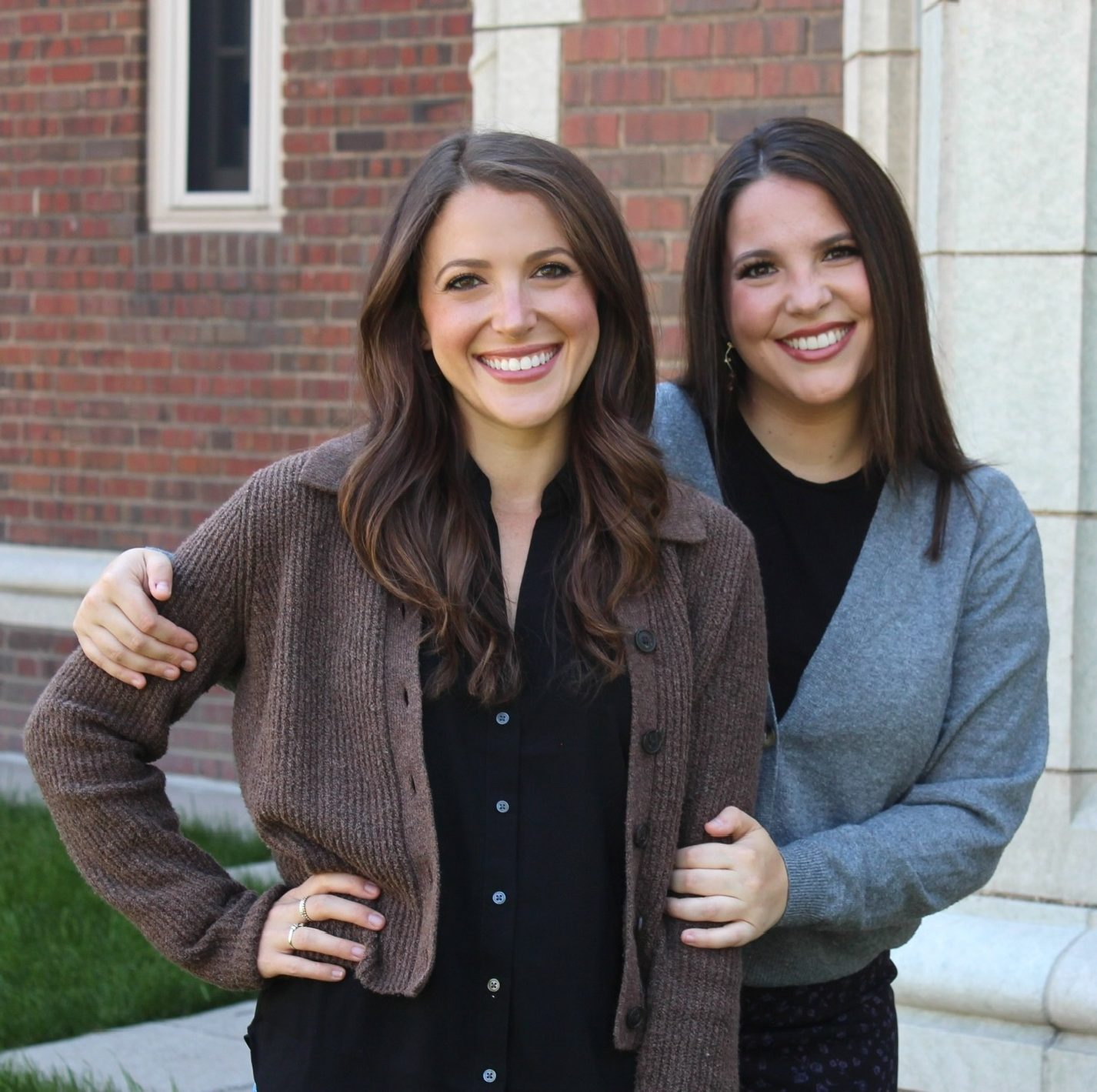
Co-Founder, Co-CEO
Sisters, Jacqueline and Alexa Child founded Dateability to create a safe and inclusive platform for disabled and chronically ill people to find love and connection. After years of witnessing her sister struggle with dating on the mainstream apps, Alexa suggested that they take the power back and create a place where Jacqueline and people like her don’t have to encounter society’s ableist behaviors. They are committed to social impact and hope their efforts extend beyond the app itself and into the realm of policy change and advocating for disability rights.
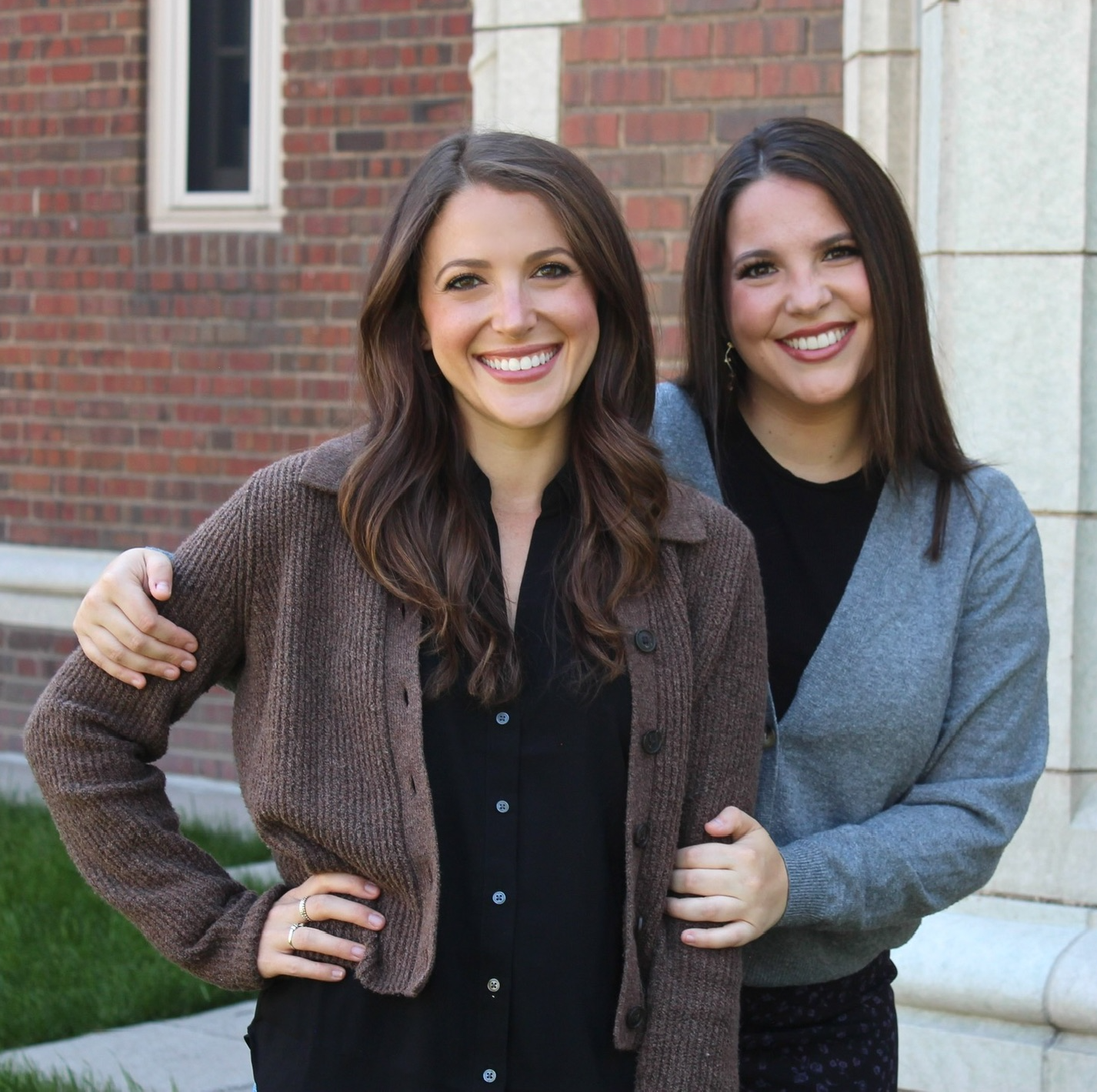
Co-founder, Co-CEO
Sisters, Jacqueline and Alexa Child founded Dateability to create a safe and inclusive platform for disabled and chronically ill people to find love and connection. After years of witnessing her sister struggle with dating on the mainstream apps, Alexa suggested that they take the power back and create a place where Jacqueline and people like her don’t have to encounter society’s ableist behaviors. They are committed to social impact and hope their efforts extend beyond the app itself and into the realm of policy change and advocating for disability rights.