AI, Accessibility, and the Future of Work: Insights from Disability Solutions
Join us for a special year-end episode of "Changing Minds, Changing Lives" as host Julie Sowash sits down with Keith Meadows, Executive Director of Disability Solutions, for an honest and insightful conversation about the future of disability employment. Keith shares his journey from restaurant management to leading a national nonprofit, revealing how customer service skills and operational know-how translate into driving real change for job seekers with disabilities.
Discover how Disability Solutions has evolved from a scrappy consulting startup to a scalable, data-driven organization helping employers optimize their hiring processes and create truly inclusive workplaces. Keith and Julie discuss the challenges and opportunities facing the disability community in 2025, including the impact of AI on hiring, the importance of accessible remote work, and why companies committed to disability inclusion are gaining a competitive edge.
Whether you're an HR leader, a job seeker, or simply passionate about building a more equitable workforce, this episode offers practical takeaways, inspiring stories, and a look ahead to brighter skies in 2026. Tune in for actionable insights, candid reflections, and a celebration of the progress made—and the work still to come—in changing minds and changing lives.
Key Topics:
Keith Meadows’ leadership journey and lessons from restaurant management
Scaling Disability Solutions for greater impact and accessibility
The evolving job market: AI, automation, and disability inclusion
Practical strategies for employers to optimize disability hiring
The importance of remote work and accessible workplaces
Navigating economic uncertainty and planning for 2026
Building trust and competitive advantage through authentic inclusion
Follow Disability Solutions on LinkedIn, Instagram, and YouTube for more resources and updates.
Keith Meadows is the Executive Director of Disability Solutions, where he leads efforts to help employers build inclusive workplaces and tap into the $13 trillion disability economy. With over a decade of experience in disability employment and a background in operations and customer service, Keith specializes in practical, data-driven strategies for accessible hiring and retention. He is a passionate advocate for disability rights and regularly shares insights on workplace inclusion, mentorship, and the business impact of accessibility.
Julie Sowash
Hi, guys. Welcome back to Changing Minds, Changing Lives. My name is Julie Sowash. I'm the CEO of Catch 22 Group and the strategic advisor for Disability Solutions. We are wrapping up, you know, the first year that I've stepped away from the executive director role. The team has been so gracious to keep me on doing podcasts, doing some advising and still being able to interact and do the work that I love, while I kind of start my own adventures. So it's been a really hard year for all of us. For me, it's been an incredible year. And so much of that is related to our guest today and the conversation we're gonna have today. So I'm very excited about that. Before we get started or before I bring my guest on,even though he can see me right here, I do want to call out two things. I want to say a huge thanks to Tara Turk-Haynes for the incredible conversation we had last month around the SHRM Blueprint the Robby Price or Robby Starbuck, excuse me, and Van Jones interview. We've had such great feedback and we're learning more and more about some things that the SHRM organization is doing now in court. I’m sure we’re gonna be talking about that in 2026 and hope to have Tara back to talk about that, but she really gave some incredible insight and has spurred so much conversation through our conversation. So thanks, Tara, for that. And I also want to say that our director of marketing for Disability Solutions has started the DisabiliTEA, which I freaking love. Which, it's a 15, 20-minute conversation, overview that I think is coming out or is goal to come out every week. The first one is out. It's getting amazing reception. I'm so proud of Ashley for getting her voic out there and really kind of taking that step out. I know how hard that was for me. Even though I crave and love attention. I know how hard it is to kind of put your voice out there and to put your face out there. She's doing amazing work for not just Disability Solutions, but for the disability community. Super snackable, easy to take in, fun, easy conversations. Definitely check it out on our YouTube page. We'll put the link in the show notes. You can subscribe there so you get those. But she's also putting them on LinkedIn. So if you don't subscribe, but please do subscribe, you can also catch them there if you're following Disability Solutions on LinkedIn. So, to the point. I have the pleasure today of bringing on my final guest on Changing Minds and Changing Lives in 2025, who I call my lifelong Zen master, the man who brings me calm, even when I'm not in the executive director role, when I need it, my right-hand man when I was at Disability Solutions and now the for almost a year Executive Director of Disability Solutions, Keith Meadows. So, Keith, welcome to Changing Minds, Changing Lives, your first, but maybe not your last time visiting us here.
Keith Meadows
Thank you. It's great to be here in the hot seat. Looking forward to the discussion.
Julie Sowash
[laughs] Yes, yes, I'm quite the hot seat interviewer. I hear that about myself all the time. So, a little bit about Keith. So we’ve known each other, we’ve known each other for a long time, but I would say we met probably almost 20 years ago? Is that a fair? Maybe 17, 18 years ago?
Keith Meadows
Maybe more? I don’t know.
Julie Sowash
A long, long, long time ago, which seems so wild to me. And we were out at a Colts game and just having a conversation, doing our, you know, kind of social things. And my sister-in-law, who is somewhat brilliant from time to time, said, you know who would be great on your team? Keith. And I was like, hmm. I know that, but I never thought about it in terms of like, he's got a gig, he's good, he's doing what he's doing. And then that conversation quickly blossomed into, yeah, this guy's got to be a part of Disability Solutions. He is the the ying to my yang in terms of I am really all over the place, kind of have a hard time focusing, loud, emotional. This guy is the steady ship that is going to and is already carrying Disability Solutions into the future. And I can say, as I planned for almost a full year before I left Disability Solutions, there was absolutely no other person that I would ever have put what really is been such a huge part of my life, my baby, kind of my whole identity, honestly, for a long time, and Disability Solutions and what we built together there, other than Keith. So, I'm so excited. He is a little quiet, but I’m excited to have him on the show and let you guys kind of hear him talk and speak. He’s doing amazing things on LinkedIn. Definitely follow him there. That content is getting a lot of action. But right now you get to kind of hear his voice. So, Keith. Tell us, from your perspective, not the bad stuff about me, all the other stuff. Your perspective and your kind of history coming into Disability Solutions, now into, well, into client leadership and now into the full-time role leading the team.
Keith Meadows
Sure, so I’ve been with the company for about ten years now. And really started off with working with our number one client at the time, Pepsi. Our only client. And really centered on helping them hire people with disabilities. And that's kind of the genesis of where Disability Solutions began. And kind of, you know, took on additional duties, managed clients and kind of focused on optimization and, like, how do we take, you know, the client experience and make it as seamless and positive and results oriented as possible. And so we've been able to grow the number of employers that we have worked with. You know, I came from a restaurant management background, so I was very familiar with kind of the customer service experience, right? You want to treat your customer like gold, make sure that they get what they want out of a relationship. And here, you know, we want to make sure that they have outcomes. They want to move the needle forward with disability hiring. They want to hire folks with disabilities. They want to get their leaders, hiring managers, recruiters, some excellent training to kind of cut through some of the fears and stigmas that are still out there about disability. And so that's really what, you know, I kind of cut my teeth on here. And so, with this new role that I'm in here for the last year or so, it's really been a privilege to lead a team of motivated and, like, incredibly passionate people towards a really worthy and worthwhile goal, which is increasing disability employment, helping employers, you know, by changing minds and lives. And so, changing their minds and then we get to change the lives of jobseekers with disabilities when they get hired. So it's been a really, really interesting experience and really, you know, I would say valuable experience for me, personally, kind of seeing that in action. And I'm excited where the future is going. You know, we've got some things to work through on the economic situation right now, but I do think that there are brighter skies in 2026.
Julie Sowash
Yeah, and, you know, I think, one, there are so many plugs that I could do just from the two minutes of talking that you just did. And I think one, my favorite one, because I also if you all don't know this, I also came from a restaurant background before I went into affirmative action and government stuff. And if I ever get a chance to hire someone who has a restaurant background, like, it is almost a no brainer. And I feel like that group of individuals, like, never gets a fair shot when they start to move into the corporate, professional world. Did you find kind of the same experience when you were doing hiring?
Keith Meadows
Yeah, I thought, you know, restaurant experience for me was kind of like a free MBA, because, you know,
Julie Sowash
Yes.
Keith Meadows
I essentially was a general manager. I ran, you know, staffing. I ran PNL responsibility. You know, you’re, you have your hand in every single cookie jar to kind of make the enterprise run. And it's all coming at you at like 150 miles an hour. And so you have to very quickly learn to prioritize what is important, what is noise and sift through that and kind of take action sometimes in the moment. And I think that lends really well to a lot of different industries, you know, especially ones that involve critical thinking and deciphering what is most important to act on and what is not. But then also thinking, like, you can't just live in the moment and just be reactionary, right? So you have to, you know, structure your day, structure your weeks, your months so that the big picture is in mind. And then you’re taking these micro steps and going the direction that you need to. And I think, you know, the restaurant world did that for me. It was not an easy job. As you know, managing restaurants, you know, with, you know, you’d have call offs, you’d have, you know, various, you know, sporting events that happen and you'd be surprised, right? You know, occasionally. So it wasn't always, like, you know, the sunshine and rainbows, right? But what I did glean from it after my years of experience there, is that it provided me with one of the best educations in business, like, that I could possibly imagine. I've been able to kind of take that experience and apply that here, and streamline operations, focus on efficiencies, make sure our customers are well taken care of and valued, and how do we take this business to the next level? How do we grow it? How do we get into areas of you know, the disability world that we haven't been in before? And so those types of conversations are very interesting to me and intriguing and, you know, that my restaurant background really helped kind of propel me to that. And I think you probably had a similar experience.
Julie Sowash
Yeah, and I think one, there was almost no sunshine and roses days in restaurant management. I just have to say. At least from my recollection. [laughs]
Keith Meadows
There were some.
Julie Sowash
But, you know, you, even on top of that, took restaurants that were failing and turned them around. And so when you talk about, you know, it. Literally, my experience was an MBA. Yours was like an MBA plus. You know, you had to turn around a PNL that was failing. You had to make very hard staffing decisions that impacted the whole team. So you were HR. You were TA. You were the CEO. You were the COO. You had to keep track of scheduling, inventory, everything else. And I remember, like, the first time I interviewed and this was actually for the state of Indiana, and I had come from my current job as I finished university was a restaurant manager. And the lady who became my boss, who’s lovely, her face when I told her you don't understand all of the hats that I wore, this is what I did. At first her face was like, girl, no, you didn’t do anything. This is like a low-level job that doesn't count. And I’m like, here are all the things that I did. And here’s why all of those things mattered. And at the end of the day, like you and your position now as executive director, the buck stopped with you. You’re fully responsible for the business. And I think sometimes, like, as we transition into right where I’m thinking about is, like, all of the work that you've done with job seekers, a lot of times, people with disabilities, who are either, you know, entry level or they're moving into that kind of first professional role, maybe even just job seekers in general, have a hard time telling an employer how the skills they have now or that they had in that role transition into the role that they're hiring for. And, you know, you've done so much job seeker prep. You’ve done so much work with job seekers themselves, like, one-on-one, training, interview skills, class based off so much that you’ve, we’ve been able to move to our LMS now. Kind of give me your take on how we built that portion and some of the things that you’ve seen over the years from job seekers that would be good information for TA leaders or HR leaders to keep in mind as they’re thinking about hiring or even some things that job seekers would always do.
Keith Meadows
Yeah, I would say one thing, you know, is with kind of a restaurant background, there are synergies between things that a person with a disability could potentially go through, right? Which is like immediate dismissal. So if people see a restaurant background, maybe it's just an immediate dismissal. You know, we’re not gonna consider that person because of these types of jobs. And there's a variety of different, you know, positions and industries that would fit that bill. And, you know, for people with disabilities, that's kind of what we feel, a lot of times on a daily basis, if we're applying for jobs and, you know, we’ve got a visual disability and we're, you know, on a zoom call and, you know, we didn't get the job, right? And so there are tangible, tangible connections there. But, you know, from a job seeker perspective, a lot of times it's just having the conversation of what is your previous history, what jobs did you do? There’s a tendency by job seekers to just kind of, you know, boilerplate into one statement what they did for 7 or 8 years. And so, what we really encourage is kind of think about all of the hats that you wore, you know, as you describe, like, what were those specific hats? Jot them down. Jot some of those duties. So like, know your own story better than anyone else, because you're actually the one that needs to tell that story to the employer. And if it contains, you know, if you did, let’s say it’s customer service for ten years. And, you know, you just say, oh, I did customer service for ten years. You need to add a little bit more flavor. What did you do within that time frame? And I think that’s where a lot of people, you know, oh, I just did this position or I just did that position. But you really need to, you know, if you’re going for a role, understand what the role is, what they’re looking for, and kind of match those key attributes from your prior work history that you’ve done, and then make sure that you’re able to tell your own story. And I think that that's something that we've seen is a constant struggle, you know, with our learning management system, our team does a lot of trainings for both job seekers, for both employers, hiring managers, recruiters. And, you know, we would get constant requests for kind of live versions. And it got to the point where we couldn’t do that amount of live versions. So we began investigating, you know, how could we get this online and, you know, potentially have this content available so that employers could access it whenever they wanted kind of as part of a package or a tier. And that's why within our platform, you know, we've got ten different trainings for employers. And so they, you know, cover mental health awareness, you know, dispelling fear and stigma about disability, which is essentially Disability 101, what to say, what not to say, those types of things. We also have one for accommodations, you know, creating a successful talent network if you want to engage with the disability community, how to do that. And what are some of the common mistakes and learning objectives there? Also Ableism 101. That's a fresh topic here in recent years where we cover that and kind of go through some tips and best practices. Really, with all our trainings, what we try to do is take something that is either complex or mysterious and really distill it down to its essence and leave you with some tangible takeaway so that you can leave that session and you can go out and you can implement one, two or three specific things and make the world a better place. And so, our employers have really taken to that. And, you know, it came out of that we couldn't do so many zoom trainings live. So we ended up going with a learning management system. It's been incredibly powerful, allows our corporate partners to, you know, have their team members review that whenever they want. Because not always is it convenient for everybody to show up at a, you know, webinar to kind of talk about disability at noon on a Friday, right? But they can certainly, you know, take that on their own time. It's, we try to make them fun, engaging and there’s little quizzes and things of that nature. So it’s definitely enhanced our business. And it’s allowed us to have a larger suite of courses. And so we’ve been blessed to stumble across that and get our trainings on that too. So it’s been great.
Julie Sowash
Yeah, and I think you make such a great point. When we first started Disability Solutions, it was primarily a consulting company. And if you have never been in consulting, I highly do not recommend. And it takes a long time to sell. It takes a long time to implement. And you’re very much dependent on the client giving you what you need and being responsive. And there are just so many variables in consulting that really what we had to do when we started thinking about what a solution set looks like long term that, and you said it, that employers are comfortable with, right? Where they can go in and they can ask whatever question they need to, they can get information on demand, they can, you know, advertise their jobs, they can, you know, go to events, those kind of things that TA and HR people are already comfortable with. How do we build something that resembles that, but actually helps people with disabilities get to work? And I think that you were so critical in helping us move our product set to a place that you call it optimize, I call it scale. Same thing. But I’m like, when I came in to this industry and we started really talking, it was, you know, you have to touch every job seeker. You have to know every single thing about every person. You have to do every training live. We have to deep dive every ATS. And those are fun things. There are things I think a lot of times our team really enjoy doing, but because we were scrappy and young and we're a nonprofit, we really had to think, how do we scale and optimize and take two things that are hard. One is hiring people for your business. And then two is doing it in a community that you’re not a part of and that a lot of times your employer has taught you to be fearful of or your life has taught you to be fearful of or to pity. And, you know, what you helped us do is take that product set, that potential product set, and build it into something that can outlast both of us. And that, I think, is so much the point of what we built at Disability Solutions. And it was something that I'm gonna use the word safe. I don't know if it's the word I love, but was safe for people who were interested in learning about the community and engaging in the community to engage with us.
Keith Meadows
Yeah, and I think that, you know, just from my experience with kind of, you know, TA and, like, being a hiring manager and putting that hat on when we were kind of creating these, you know, the jobs they have are difficult, right? Like, they're juggling a lot of things. How do we make our product as easy as possible and operate in the background and operate at their convenience? And I think that's one of the nice synergies is just kind of understanding your customer, realizing how busy they are, realizing this is important to them, and they can't devote a great deal of their time to kind of managing it, but they can do things, you know, with the solutions that we have and kind of operate in the background. And they can take a training, you know, on their own time. And so it just allows them flexibility to be able to dive deeper into the disability space, which a lot of people want to get into. But they also think that it's incredibly time intensive and it's going to, you know, they're gonna need to devote a great deal of their day to kind of managing and going through. But in actuality, with, you know, our career center option, it kind of operates in the background for you. You've got outreach going to community organizations to kind of advertise your job post. With our training, you know, your team can take that on their time. It doesn't have to be a set time and place. And so it just allows you to weave disability into your business in a way that kind of meets you where you're at. And so it's worked quite well. And I think that that's a, it's just a really good approach for any business is understanding your customer and finding ways to solve for their problems and help them get to where they need to be or where they want to be, especially in the disability space. And that's what we look to do here.
Julie Sowash
Yeah, no, absolutely. So let's kind of fastforward to today where we are. I really appreciate you indulging me in sort of all the historical chitchat. I feel like there are only a couple of us at Disability Solutions or that were a part of Disability Solutions can understand the way that we had to shift our mindset from fear and pity, even for communities that we’re a part of, into, like we're building a business that needs to be sustainable. It needs to be scalable and it needs to be, have measurable impact. And really, if I think of where we are today, the thing that I'm proud of is that we have results that we know happened because we took, put tracking in place, because we put training in place, because we went and built a system that worked with the system that the employers already have now, today, right? I think if you've been on Changing Minds, Changing Lives this year, if you’ve joined some of the quarterly webinars that I do that we're gonna continue into 2026, I think you can see for me that it's been a hard year. And as we kind of wrap up the end of the year and, as I promised, promised, promised, promised Ashley we would think about some positive things going into next year. You know, what are some of the things that you feel like positive or negative doesn't matter for 2025? Sorry, Ashley. Have been most impactful? I would say you can say to our business or to the broader disability job seeker community that really have been your focus?
Keith Meadows
Yeah, I think a twofold. So, you know, economically, I think businesses are in a situation where they're pausing decisions and everybody's in kind of a wait and see if, you know, we’re having an economic, like, monsoon and tornado or if they're just kind of storm clouds. And so I think that that's kind of what 2025, for the most part, has been. I do see in from conversations with employers, I do see 2026 being a little bit more fruitful from businesses being actionable, because, you know, if you have the money and you want to spend it, but you're just kind of holding, there's only a certain amount of time that you're going to do that, right? And then you're going to end up spending and doing things. So I do think that 2026 brings brighter clouds from a jobseekers’ perspective. If you are a highly credentialed person, I think that you've probably got a decent market. I think what we've run into is a lot of entry level roles, you know, are starting to be taken by AI and competition for entry level roles are including, you know, recent college graduates. They're, you know, highly skilled people who have maybe five, ten years of experience in the industry. So the the competition for entry level roles is super intense at this moment. But I think that it's, the job seeker market is liable to turn just as quickly one way or another. We've seen it go both ways, right? It wasn't just a couple of years ago where job seekers kind of had the power, right? They could
Julie Sowash
Yep.
Keith Meadows
They could choose their employer. And now we've swung the pendulum the other way, where employers do have the power at this moment in time. And I think that there is, you know, everything is kind of AI and it's the buzzword. And I do think it will radically change our world. But I think that from a caution standpoint, from an employer standpoint, you want to be, make sure that if you're diving deep into AI, AI can be incredibly discriminatory
and like, you know, you're intentionally kind of taking people out of the process and kind of letting the machines do the work. Now, the machines may do the work well. They may not. But I think what a lot of companies are gonna find is they'll jump too deep into the AI pool too quickly, and then they're gonna need to kind of backtrack and rework themselves to find some sort of happy medium. And I do think AI is gonna be woven into what everybody does. But I think there is a fear or there's, you know, there's danger in kind of jumping on too deep into the pool. And, you know, then trying to rework your process, because you know, for people with disabilities, we've, you know, been discriminated against for quite some time, right? And we all know that systems, we have companies that want to hire people with disabilities. And then, you know, you know this as well as anyone, we find that the systems are preventing them from doing so. And so if in ATS or if your process itself is, you know, unintentionally kind of, you know, knocking out a certain subset of the population, what is AI gonna do, right? You know, how is that model trained? How do you know what’s in it, right? And so those are the fears that, you know, you mentioned brought up Morning DisabiliTEA earlier, which is our micro podcast. We just had a great episode on that, that our marketing director Ashley put together, where she kind of covers that topic too. So I encourage you to check that one out. But, I do think 2026 brings a little bit more sunshine than rain. But as always, you don't really know. So the economic clouds may linger, but they've also lingered for quite some time. And there are companies that are doing quite well, that are just kind of holding the cards close to the vest. And they'll only hold those cards for so long. So.
Julie Sowash
Yeah, yeah. I mean, I think we had some, at least from a hiring perspective, some good news yesterday. That we had a final end of the year interest rate cut, from the Fed. We're anticipating what, I think two more in 2026 as of now. We're still a fairly robust economy at this point, right? There are kind of some things that are, I would say are a bit of the trifecta that we're still pushing against. But overall we have a relatively healthy economy. And to your point, our companies have been holding spend. They've been holding money on hiring. You know, we're seeing AI and workforce automation disrupting some of the holiday hiring, that kind of thing. But, you know, I really at the end of the day, if I'm thinking about, you know, where am I in 2026? What are the things that I think, to your point, that we can pull on? You and I are both lovers of the stock market, too. And I relate the job market very much or the housing market back over to how we look at the market, the market, the job market, whatever it is, is cyclical. There are going to be times where it's employer leaning, employer advantageous. There are gonna be times like just after the pandemic, when every company was flush with cash and needed workers, that it was advantageous to job seekers. We, you and I, have been through this as kind of adult workers at least twice. So I think that's the thing I kind of always lean on is, like, we're gonna go through ups and downs. This is part of the cycle. And just understand that that cycle is going to be constantly cycling. It's not gonna stay one way forever. And in the long run, there's good and bad to that, but not losing our focus in the immediate, and planning long term, I think, is critical. You know, I think also one thing I'm seeing in terms of trends that's great for our community is that the remote work job listings have kind of stabilized. Those positions, like, they were falling kind of dramatically as companies pulled people back to the office. But if working remote is a critical need for your quality of life, for your accommodation. We're seeing those positions stabilize over the last six months, and we don't anticipate a big downturn. So those positions are not gonna disappear. They're competitive, absolutely. But there is opportunity. I also think that, you know, we know who you are now, right? So, after the murder of George Floyd and we had so much focus on DEI, and now the pendulum has swung the other way, which, again, is how we tend to do in America. We go far left, we go far right, we meet somewhere happy in the middle and we've made progress. I think, clearly, as a community, we know who you are companywise, right? If you started taking your videos down, if you cut your programs, if you did all of these things because you were reacting to an administration or you were you realize, oh, I don’t have to spend this money anymore, then we see you, all right? And there's no, in my opinion, it's gonna take a long time for the companies that were PR only or compliance only focused to earn the trust back of outside of women, the largest demographic community in this country and probably the largest demographic community outside of women in the world. So the companies that are sticking with it, the companies that even maybe they're not screaming it from the rooftops, but are still advertising that are still working to make their applicant tracking system and their hiring processes accessible. Like, we know who you are. And we know who you aren't. And that's huge. I think that we need as a community that moment of clarity and of reality. So I think that that while it hurts, is positive and we'll be continuing to watch those companies in 2026 and who, even if they're doing it quietly, is still doing the work. And I think really, you know, I would love to talk about AI all day, but we're, we're at like the 35 minute mark, and I promised you 20 minutes now. I think the last thing is, you know, it's somewhat easy to feel like with the changes around affirmative action and 503 that kind of all is lost. But it's not. We’ve taken a step back, yes. But we've accomplished so much in the last decade that people in charge, people in hiring rooms, they understand our value in a way that's completely different than before Section 503 changed, before it became cool and hip to hire people who are different than white people. White men. And so I think that we have to kind of look at, like, these things still exist. These people are still out there doing the work. We're gonna go through cycles and accepting that economically is critical. And, you know, the rules around accommodations, the rules around the ADA are still the law of the land. And that's not going away. So if you need an accommodation, if you need protection under the ADA, right, that's not gonna change. And companies are still required to do that. So is it perfect? No. But are there things that I can think of that are the silver lining? Yes. And I think the reality is, is we just have to buckle down and continue to do the work. And that's always been our mantra at Disability Solutions. We don't have to be the coolest kids on the block. We don't have to be the most, you know, marketing savvy, amazing kind of content creators. We're getting there. But we did the work and the work that we've done for the last, you know, 15 years together is what's actually gonna continue to carry the story, because we focused on things that weren't just pretty, they were actually getting people to work at scale.
Keith Meadows
Yeah, and it’s not all doom and gloom. I do foresee that, you know, just like our previous discussion, it's a pendulum that swings one way, it swings another, where it ends up, you know, is somewhere in between the two points, right?
Julie Sowash
Yep.
Keith Meadows
But I do think it's important to highlight that, this could be a really big point of competitive advantage for companies. You know, if we kind of take out the laws themselves, like, you know, people with disabilities tend to stay on the job longer. You spend less money recruiting with turnover and everything else. Why is that, you might ask? You know, we've faced discrimination in a lot of different aspects. And so, if someone gives us a chance, we are likely to stay with the person that gave us a chance, right? And so being able to kind of build, you know, a business model that incorporates people with disabilities into your business is smart. And we've got the numbers to kind of back that up. And there are companies currently doing that. So in my opinion, 2026, 2027 becomes a who's doing it and who's not. And the who's doing it will reap the benefits from getting great employees who stick around for long periods of time. And those who aren't are gonna find themselves at a disadvantage. And, you know, if your direct competitor is very, very close to you as far as, you know, gross sales and, like, market share, this could be something that dramatically swings the odds to your favor. You know, 1 in 4 people here in the US have some type of disability. Not only are they potential employees, but, like, we buy your products. And so, you can kind of see from some of the big companies in the news, how that has worked favorably and unfavorably. If we choose to kind of withhold dollars. And so, those are things to seriously consider, regardless of kind of everything legislatively that's going through. Not only you could have great employees that stay on the job longer, save yourself money that way, you could get the disability community buying your products and supporting you. As a business background person, that speaks to me. And I think that it's gonna speak to a lot of employers too.
Julie Sowash
Yeah, I think that's such a great point. And it always makes me laugh, because we've been saying this anecdotally for, at least, myself going on 20 years. What's different now about everything you just said is that it was 100% true then, it's 100% true now. But we've had this decade of actually proving it, right? We, Disability Solutions, have hard numbers. Organizations that track consumer spending have hard numbers. Like, it’s not something that we just throw out there because somebody said it to us a long time ago, it is actually a reality. And all of the progress that we as a community have made, you know, since 503 changed and since, you know, diversity became such a popular focus in our country, tells the story in a way that is much more legitimized and data tracked than what it was when we started in this world. And I think that's the thing to hold on to and is a good way to call it a day. So are there any final thoughts that you wanna leave us with for 2025, wrapping up your first year as executive director? Anything like that?
Keith Meadows
Happy New Year, everybody.
Julie Sowash
[laughs] Always the man who's quiet. Thank you so much. This has been so fun. I love talking to you. And I know we do it all the time, but I was very nervous about doing it on camera because I have no idea why. It's always easy. You’re the Zen master. So, if you are following Disability Solutions, follow us on LinkedIn, Instagram, YouTube,anywhere else?
Keith Meadows
Everywhere.
Julie Sowash
Alright, changingmindschanginglives.com, disabilitytalent.org. Reach out to Keith. He is the man. Our team is incredible. I’m so blessed to continue to have this person and all of the team in my life and to be able to not give up when it gets hard, but to continue this fight into 2026 with you all. So until next year, have a great one and keep changing minds and changing lives.
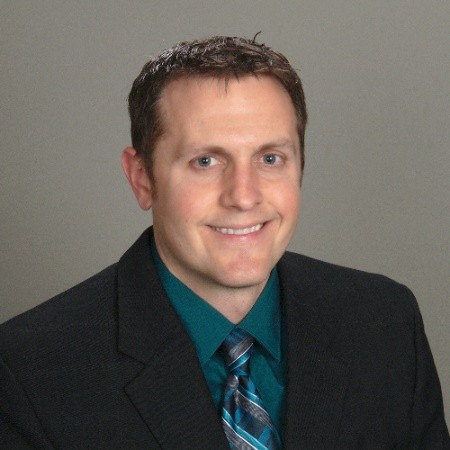
Executive Director
Keith Meadows is the Executive Director of Disability Solutions, a division of Ability Beyond, where he leads innovative strategies to help employers access the $13 trillion disability economy and build truly inclusive workplaces. With over a decade of experience in disability employment, Keith has partnered with Fortune 500 companies and major nonprofits to optimize hiring, retention, and accessibility for people with disabilities.
Keith’s professional journey began in restaurant management, where he developed a strong foundation in operations, customer service, and team leadership. He now leverages those skills to scale Disability Solutions’ impact, moving the organization from a boutique consultancy to a national leader in disability inclusion.
A passionate advocate for disability rights, Keith specializes in transforming complex challenges into practical, data-driven solutions. He is known for championing the business case for disability inclusion—demonstrating how accessible workplaces lead to higher retention, increased productivity, and stronger brand loyalty. Keith regularly shares insights on LinkedIn about onboarding, mentorship, and the importance of psychological safety for employees with disabilities.
Keith’s leadership is defined by empathy, operational excellence, and a commitment to changing minds—and changing lives—through sustainable inclusion. He is dedicated to helping organizations move from theoretical diversity to real-world results, partnering with thousands of community organizations to create lasting change.